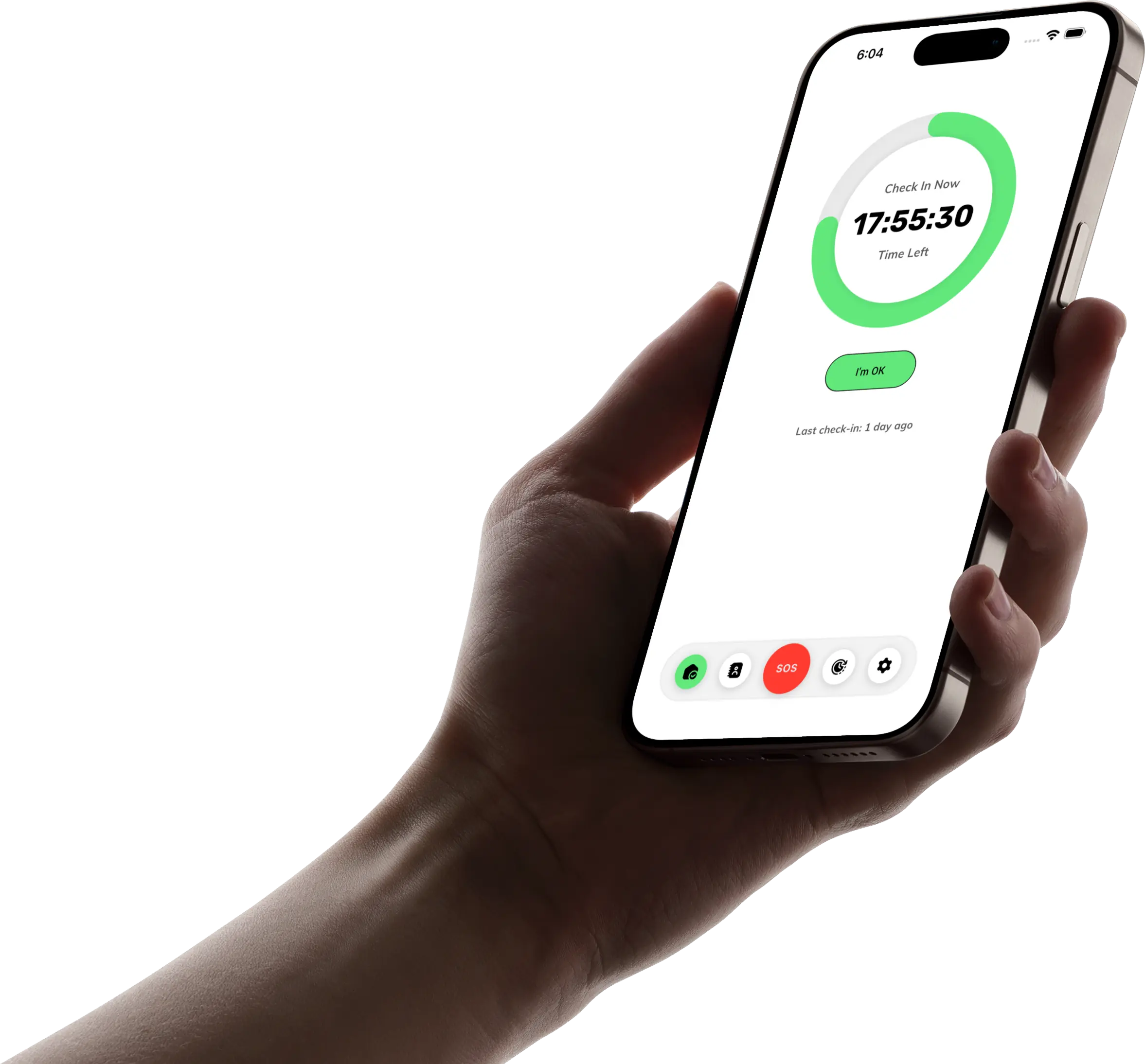
Av Syed Muhammad Daud Rizvi — Medgrundare av TapOkie. Byggde appen efter att ha insett hur många som bor ensamma utan ett enkelt sätt att säga att de mår bra varje dag.
TapOkie and AssureOkay both target daily safety check-ins with alerts when someone misses a window. Compare free-tier permanence, whether contacts need apps, pricing for extra features, and how each product handles location — then pick the setup your household will actually keep using.
Daily check-in apps work on a simple promise: tap once to say you're OK, and if you don't, someone you trust gets an alert. TapOkie and AssureOkay both follow that model. So how do you choose?
This comparison focuses on what actually matters for people living alone, solo travellers, and families who want a lightweight safety net.
What They Have in Common
Both apps:
- Ask you to check in once a day
- Send an automated alert if you miss
- Require no app install on the contact's side — alerts go by SMS
- Are designed for people who want safety without surveillance
That shared foundation matters. Either choice is vastly better than relying on daily phone calls or hoping someone notices if you go quiet.
Where They Differ
Contact limits
TapOkie Free includes one verified contact. TapOkie Premium adds up to three, which matters if you want a parent, a sibling, and a friend all in your circle.
AssureOkay contact limits depend on the plan you select. Read the current pricing page carefully — limits can change.
Why it matters: If you have more than one person who needs to know, a multi-contact plan is not optional. You want the alert to reach someone who can actually respond, not just one person who might be travelling.
Verification model
TapOkie verifies every contact with a one-time SMS code. Each person explicitly opts in before they can ever receive an alert. This matters for consent — no one gets added to your safety circle without agreeing.
Tip: Before you pick any check-in app, ask whether contacts are verified or just added by phone number. Unverified contacts may never know they're listed, and their phone may filter unknown-number SMS.
Privacy and location
TapOkie does not track your location continuously. If you allow location sharing through your device's permission dialog ("Always", "Allow While Using App", or "Don't Allow"), your last known location can be included in miss alerts — and you are in full control of that setting at all times.
This is a meaningful difference from GPS tracking apps. See Privacy-First Safety Apps: The Complete List for a broader breakdown of how check-in apps handle location.
Pricing
TapOkie has a permanent free plan — one contact, daily check-ins, SMS on miss. Premium is a paid upgrade for extra contacts and the emergency button.
Compare this to AssureOkay's current pricing before you commit. Free trials are not the same as free plans. A trial that expires leaves you without protection unless you pay.
Emergency button
TapOkie Premium includes a one-tap emergency button that alerts your contacts immediately — outside the normal check-in window. It is separate from the daily check-in and designed for moments when you need help right now rather than "at the end of the day."
Who Should Use TapOkie
- People living alone who want a free, permanent option to start
- Anyone who wants verified, consenting contacts
- Users who prefer privacy-first, no always-on GPS
- Families supporting an older parent who values independence
Who Should Look at Both
- If AssureOkay has a feature that specifically fits your situation, try both free tiers before committing to either premium plan
- If you are choosing on behalf of an older family member, walk through the setup process with both apps before deciding
The Bottom Line
Both apps solve the right problem. The differences come down to verification model, contact limits, pricing structure, and how much control you want over location sharing.
Download TapOkie free and run it for a week. If one verified contact is enough to start — and for most people it is — you may not need anything else. You can always upgrade when your situation changes.
For a wider comparison, see Best Daily Check-In Apps for People Living Alone (2026) and TapOkie vs Snug Safety vs Life360.
Questions about how TapOkie works? See the features page or read how it works in three steps.
Common questions
Do both send SMS on miss?
Product details change — verify current SMS behaviour, number of free contacts, and verification steps for each brand.
Which is simpler for older adults?
Favour the app with fewer screens, clearer reminders, and contacts who do not need downloads.
Should I choose by price alone?
No. An abandoned free plan is more expensive than a paid habit people keep.
Where does TapOkie stand?
TapOkie emphasises permanent free daily check-ins and SMS-first contacts with optional location.