Check on an elderly parent living alone, without the daily call
They tap once a day. If they don't, you get a text. No calls, no check-up guilt, no app to install.
How families use TapOkie
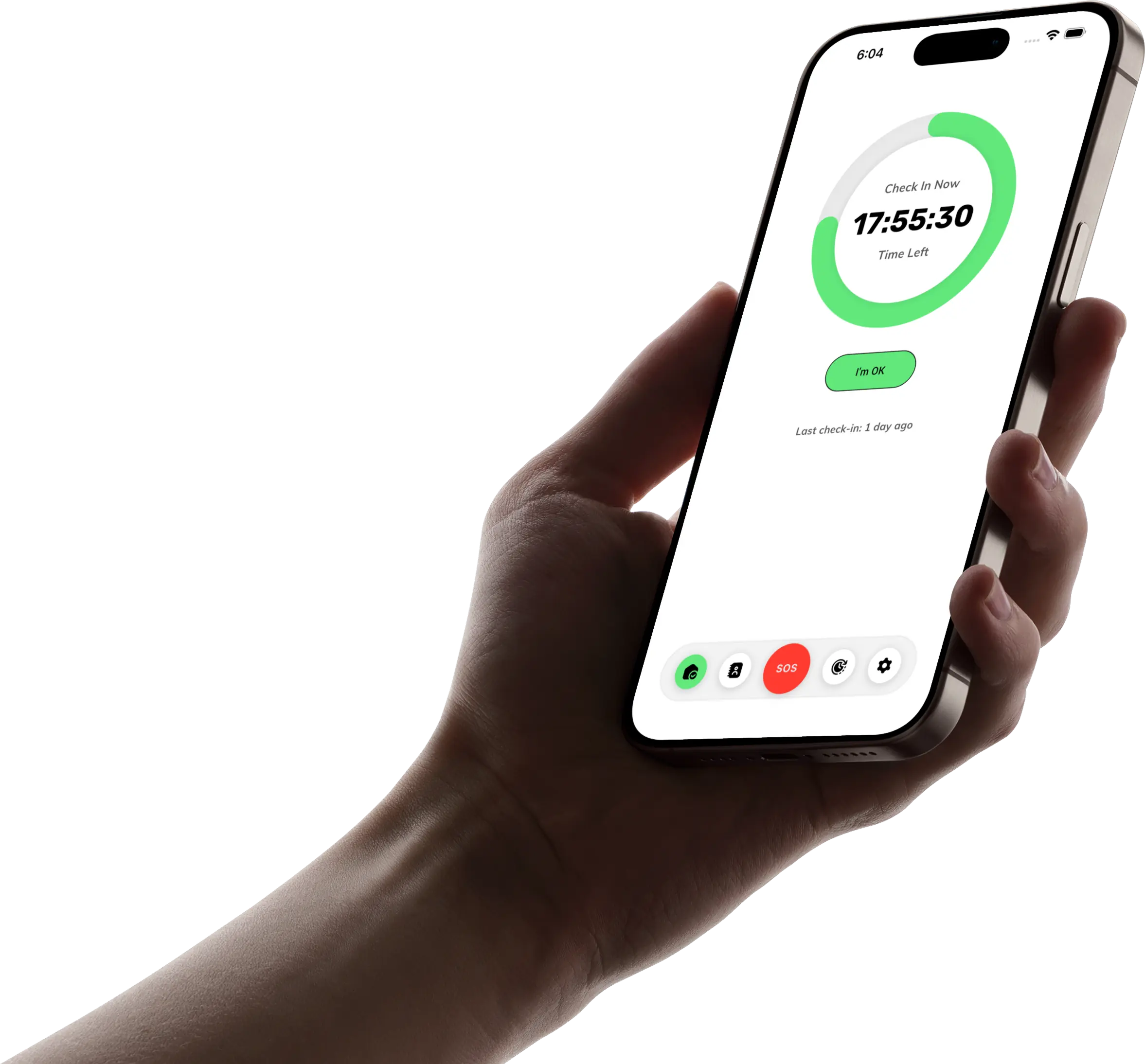
Your parent checks in once a day. If they do, you hear nothing. If they don't, you get an automatic text — with optional Safety Trail context — so you know to check on them.
What you need to know
No app for you
You get alerts as plain SMS on any phone.
They stay in control
Your parent sets their check-in time, location sharing, and whether Safety Trail is on.
Works in 25+ countries
Same habit across 25+ countries and 10 languages.
Free to start
One emergency contact is free forever — that can be you.
Gentle reminders
A nudge before the window closes — pause when life gets busy.
More family can help
Premium supports up to three verified contacts — no app for any of them.
How to check on a parent living alone, without the daily call
Set up together
They download TapOkie, add you, and you confirm by SMS.
One tap each day
They tap I'm OK at their chosen time — one tap, done.
You hear if they miss
If they miss it, you get a plain SMS — and a Safety Trail link if they enabled that feature.
Further reading
- 5 Ways to Check on Elderly Parents Remotely, stay connected without being intrusive
- How to Set Up a Safety Check-In Routine for an Ageing Parent, a practical step-by-step guide
- Why Tracking Apps Fail Older Adults (and What Works Instead), the dignity-first argument