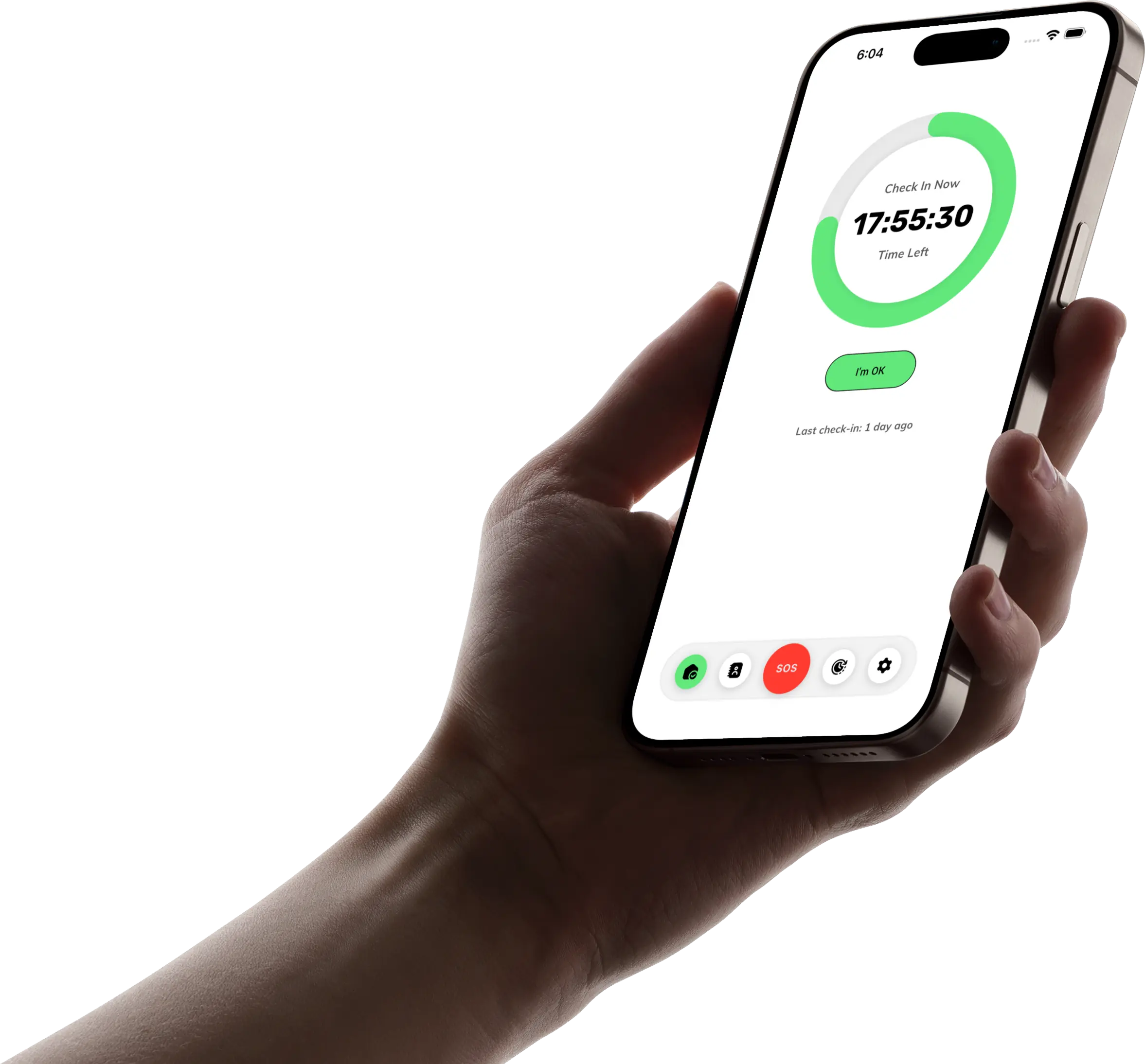
By Syed Muhammad Daud Rizvi — Co-founder of TapOkie. Built the app after recognising how many people live alone with no simple way to let someone know they are OK each day.
Most missed check-ins are accidents — phone died, overslept, routine changed. Contacts should call once before assuming an emergency. TapOkie alerts them when you miss your window; checking in again or replying to a call usually clears the situation without drama.
Most missed check-ins are not emergencies
If you use a daily check-in app, you might worry: "What if my phone dies and my mum thinks I'm dead?"
That worry is reasonable. The whole point of check-in is to surface silence when silence might matter. But in practice, a large share of missed check-ins are ordinary life:
- Phone battery hit zero overnight
- Overslept after a late night
- Phone left in the car or kitchen while you were in the garden
- Changed routine — early appointment, travel, guest visit — and forgot to check in early
Good systems and good contacts treat the first alert as "please verify," not "assume catastrophe."
What TapOkie does when you miss a check-in
You set a daily check-in window — for example, check in by 10am. If TapOkie does not receive your check-in by that time, your chosen contacts receive an alert (typically push and/or email, depending on their setup).
That alert means: you did not check in on time. It does not mean TapOkie knows you are injured, unconscious, or unable to reach your phone. It means the check-in did not happen.
Your contacts are the next step. TapOkie connects the signal to people who can call you, knock on your door, or ask a neighbour to look in — not a stranger at a call centre by default.
What contacts should do first
Agree a simple response order with your contacts before the first real alert:
1. Call your phone. Many accidental misses end here — you answer from the sofa, realise you forgot, and check in immediately. 2. Text if no answer. Short message: "TapOkie alert — everything okay?" 3. Try backup contact or neighbour if you have agreed that in advance. 4. Escalate to emergency services only when something is actually wrong or you cannot be reached after reasonable attempts.
This order prevents ambulance calls because someone slept through an alarm.
How to reduce accidental alerts on your side
You cannot eliminate accidents, but you can lower the rate:
Charge overnight. If check-in is a morning habit, plug in the phone before bed — especially after heavy use.
Pick a realistic window. A 7am deadline when you routinely wake at 9am trains everyone for false worry. Start with a window you genuinely hit.
Check in when routine changes. Travel, hospital visits, or staying at a partner's place — send the check-in early or temporarily adjust your time in the app if your schedule shifts for a few days.
End timed sessions. If you use Safety Trail or visit timers, end the session when the activity finishes. A forgotten session end looks like a missed check-out to contacts watching that flow.
Keep one phone as primary. If you switch between tablet and phone, pick the device that stays with you for check-in.
What to tell contacts before you start
A five-minute conversation prevents bad outcomes:
- "If you get an alert, call me first."
- "I might oversleep — that's not an emergency."
- "If I don't answer after two tries, call [neighbour / backup]."
- "Only call 999 if you genuinely think I'm in danger."
Write this in a shared note if family are anxious. Anxious contacts escalate faster; clear instructions slow them down to the right speed.
Accidental misses vs the silence you are actually worried about
The scenario check-in is designed for is different: you fall, you cannot reach the phone, you are unwell and disoriented, you need help and cannot ask. Those cases are rare compared to dead batteries — but they are the ones that matter most.
A missed check-in with no answer after calls is the prompt to act. Accidental misses with a quick "sorry, phone was dead" teach everyone that the system works without conditioning contacts to ignore real alerts later.
Balance matters: treat alerts seriously, verify quickly, escalate when verification fails.
Privacy and false alarms
TapOkie does not track your location between check-ins. Contacts learn you missed a window — not where you were. That limits some kinds of accidental drama (no "why were you still at the pub?" from GPS), but it also means contacts cannot see "phone at home" vs "phone elsewhere." The phone call remains the right first step.
TapOkie when life is messy
TapOkie is built for real routines — not perfect ones. Daily check-in, optional Safety Trail sessions, SOS when you need help immediately. Free to start.
Download TapOkie · How check-in works · What is Safety Trail?
Common questions
Does TapOkie send emergency services if I miss a check-in?
TapOkie alerts your chosen contacts. It does not automatically dispatch emergency services on a missed daily check-in. Your contacts decide how to respond based on what they know about you and whether they can reach you.
What if I miss check-in because I was in hospital unexpectedly?
If you are able to communicate, call or text contacts when you can. If you use TapOkie regularly, consider telling a trusted contact they may get an alert if you are unconscious or in care — and that they should use your agreed escalation path, not panic on the first miss.
Can I cancel an alert after I check in late?
Once contacts receive a missed check-in alert, checking in afterwards shows you are okay now but does not unsend the alert they already saw. A quick "sorry, overslept" message closes the loop socially.
Should I turn off check-in when my phone is unreliable?
If your phone is broken or lost, tell contacts you will not check in until it is replaced — or use a backup device temporarily. Turning off the habit without telling anyone recreates the problem check-in was meant to solve.