Di Syed Muhammad Daud Rizvi , Cofondatore di TapOkie. Ha creato l'app dopo aver capito quante persone vivono sole senza un modo semplice per dire ogni giorno che stanno bene.
The best remote check-ins for ageing parents respect independence: agreed rhythms, light tech, and alerts when something is missed — not constant surveillance. Pair a simple daily check-in with a conversation about who gets contacted and when, so adult children get peace of mind without daily nagging calls.
Caring for aging parents while living far away is one of the most common challenges modern families face. You want to know they're safe-but you also don't want to hover, micromanage, or make them feel like they've lost their independence.
Here are five practical, respectful ways to check on elderly parents remotely.
1. Establish a Simple Daily Routine
The easiest approach is often the most effective: agree on a brief daily touchpoint. It could be a morning text, a quick phone call after dinner, or a simple "I'm OK" message. The key is consistency-when the routine is predictable, any break in the pattern becomes a clear signal that something may be wrong.
Tip: Keep it lightweight. A one-word text is enough. The goal is confirmation, not a conversation obligation.
2. Use a Daily Check-In App
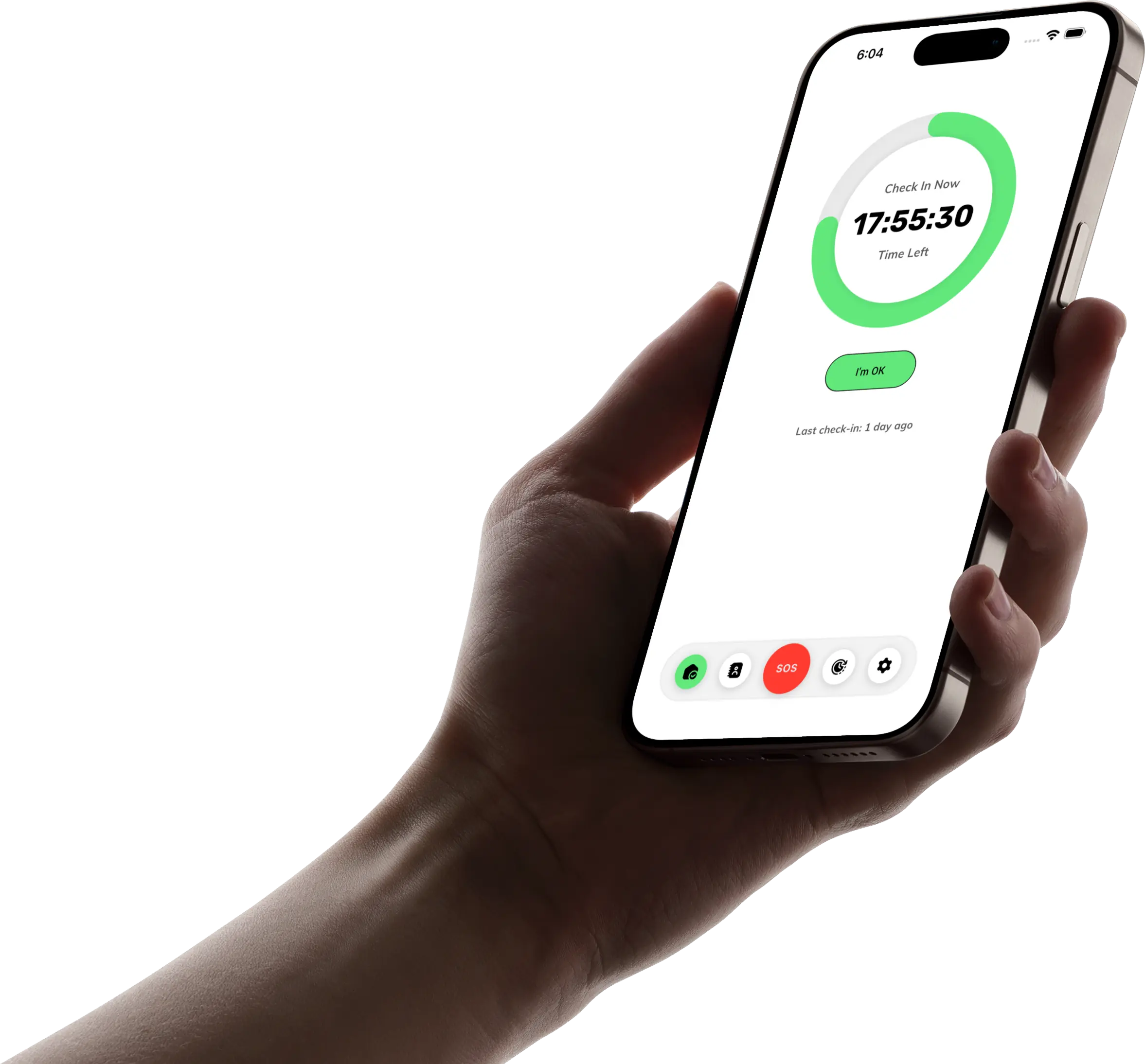
Apps designed for daily safety check-ins take the manual effort out of staying connected. With an app like TapOkie, your parent taps a single button once a day to confirm they're okay. If they miss their check-in, you receive an automatic SMS alert-no nagging calls required.
Why this works: It respects their independence while giving you a reliable safety net. There's no constant tracking, no complicated setup, and no need for your parent to be tech-savvy.
3. Schedule Video Calls (But Keep Them Short)
Weekly or bi-weekly video calls are great for emotional connection, but they shouldn't be your only safety check. Video calls require coordination, both parties being available, and can feel burdensome if too frequent.
Best practice: Use video calls for connection, not surveillance. Pair them with a daily check-in method for actual safety monitoring.
4. Coordinate with Neighbors or Local Contacts
Having someone local who can physically check in is invaluable-especially for emergencies. A trusted neighbor, family friend, or community volunteer can serve as your eyes and ears when you can't be there.
How to set this up: Introduce yourself to their neighbors, exchange phone numbers, and let them know you'd appreciate a heads-up if anything seems off. Many communities also have welfare check programs through local councils or charities.
5. Avoid Over-Monitoring
It's tempting to install cameras, GPS trackers, or smart home sensors everywhere. But for many seniors, this level of monitoring feels invasive and can damage the trust in your relationship.
The balance: Choose one or two lightweight tools that your parent is comfortable with. A daily check-in app like TapOkie strikes the right balance-it confirms safety with flexible location sharing controlled through your device’s permission dialog ("Always", "Allow While Using App", or "Don’t Allow"), and your parent stays in full control.
For falls-specific stacks and lighter-weight tooling, Living Alone and Worried About Falls? 5 Tools That Actually Help pairs well-even when you’re the adult child advising a parent who lives solo. Ready to formalise daily rhythm and escalation steps together? How to Set Up a Safety Check-In Routine for an Ageing Parent walks through it end to end.
The Bottom Line
Checking on elderly parents remotely doesn't have to mean constant phone calls or invasive tracking. The best solutions are simple, consistent, and respectful of their independence.
A daily check-in-whether through a quick text, a phone call, or an app like TapOkie-gives you peace of mind and lets your parent live their life on their own terms.
Common questions
What's the best way to check on an elderly parent who won't install apps?
Use an SMS-based tool rather than an app-based one. With TapOkie, you install the app on your parent's phone and they tap once a day — but you, as their contact, receive alerts only as plain SMS messages. No app is required on your end. If your parent uses a basic phone, they can still be the receiving contact for another family member who does the daily check-in.
Is a daily check-in intrusive?
It depends on who controls the rhythm. A check-in the parent initiates — one tap when they're ready — feels very different from being passively tracked on a map. The parent chooses when they check in, whether location is shared, and who is in their contact list. That consent-led model is much less likely to feel like surveillance. See How to Talk to an Aging Parent About a Safety App for how to frame this conversation.
What if my parent misses a check-in accidentally?
Most missed check-ins are ordinary interruptions — a nap, a distraction, a busy morning. A good app has a grace period before the alert fires (TapOkie Premium: 15 minutes). Agree in advance what you'll do when an alert arrives: call first, then ask a neighbour if there's no answer, then escalate. The SMS is a prompt to make contact, not an emergency signal.
How do I set this up if I live in a different country from my parent?
TapOkie works across 25+ countries and sends SMS internationally. Your parent checks in from wherever they are; you receive alerts on your existing phone number regardless of country.
Ready to try a simpler way to stay connected? Download TapOkie for free and set up your first check-in in under 2 minutes. For families, see the TapOkie for families page. To compare check-in apps before you choose, see Best Daily Check-In Apps for People Living Alone (2026).