Kirjoittanut Syed Muhammad Daud Rizvi — TapOkien toinen perustaja. Rakensi sovelluksen, koska niin moni asuu yksin ilman helppoa tapaa kertoa joka päivä, että kaikki on hyvin.
TapOkie and Still OK both aim at daily check-in routines with automated alerts if you go quiet. Differences show up in pricing, free-tier shape, contact workflow, and how each product handles optional location — so compare current plans side by side for your circle's habits.
Both TapOkie and Still OK follow the same core logic: check in once a day, and if you don't, someone gets an alert. That is the right design for people living alone, older adults who want independence, and solo workers who don't have a colleague in the next room.
So how do you choose between them?
The Core Mechanics
A good check-in app needs to do three things reliably:
1. Make the daily check-in fast enough that you actually do it 2. Send an alert to someone who can respond — not just to an app 3. Give you control over what information is shared and with whom
Both TapOkie and Still OK aim for this. Where they differ is in the details.
Check-In Speed
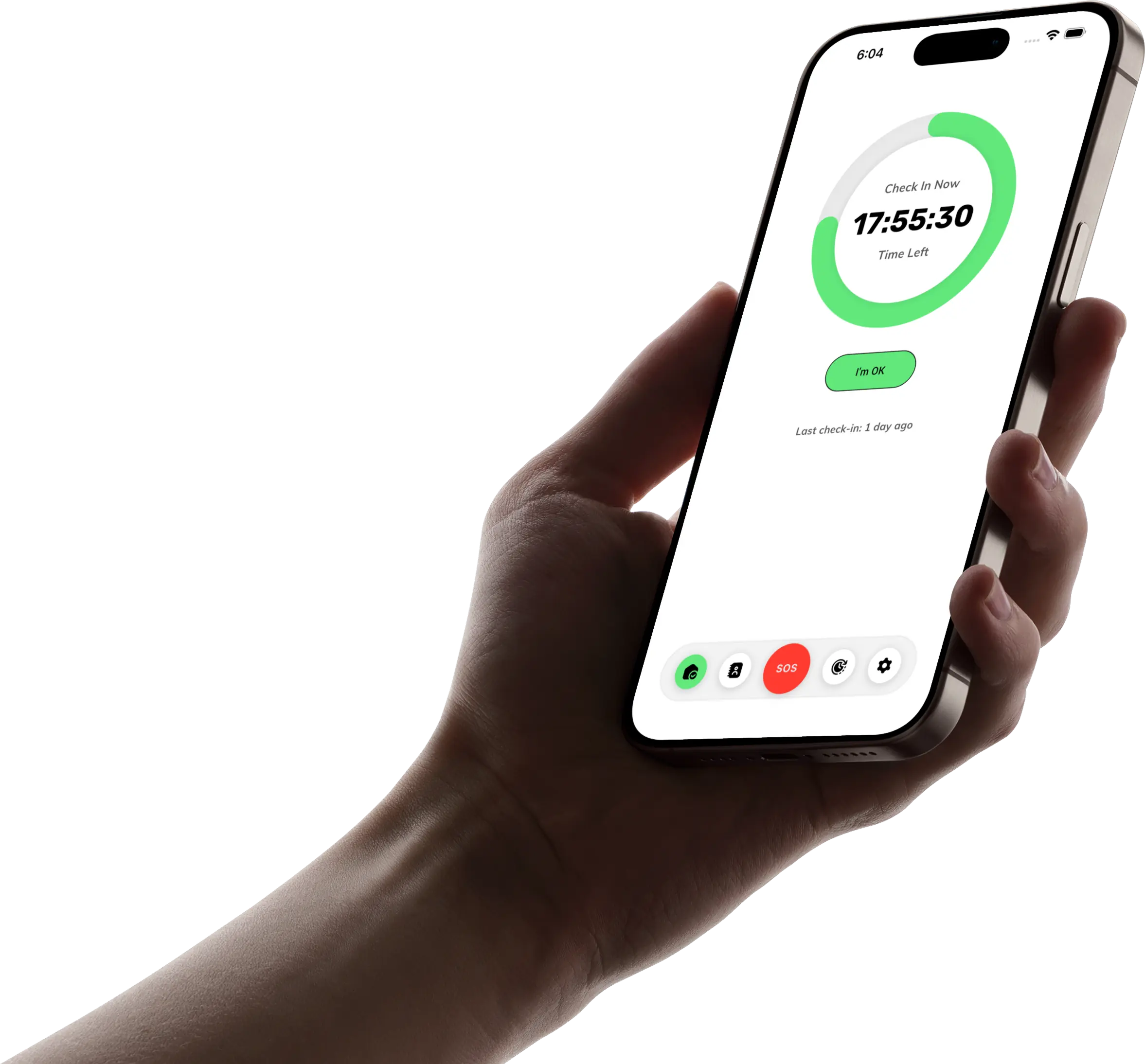
TapOkie is a single tap on the "I'm OK" button. There is no form, no message, no choice to make. The simplicity is intentional — the more friction a daily habit has, the more likely you skip it, and a skipped check-in is a false alarm waiting to happen.
This matters most for: older adults who are not tech-comfortable, or anyone who wants the habit to feel like nothing, not a task.
Alert Delivery
TapOkie sends alerts by SMS — no app required on the contact's side. Your parent, sibling, or neighbour receives a text on whatever phone they own. They do not need a smartphone. They do not need to install anything.
Still OK also sends alerts to contacts. Verify the current version of their app for exactly how alerts are delivered, since this can change across app versions.
Why SMS matters: App push notifications require the recipient to have the app installed, have notifications enabled, and be connected to data. SMS reaches any mobile phone. When an alert matters, you want it to arrive.
Contact Verification
TapOkie uses a one-time SMS code to verify every contact. Each person explicitly confirms they want to be in your safety circle. This consent step means:
- Contacts know what role they're agreeing to
- They're more likely to act when an alert arrives
- No one is surprised to receive an unknown-number message
If Still OK skips this verification step, check whether your contacts know they're listed — and whether they'd recognise an alert if it arrived.
Privacy and Location
TapOkie does not use always-on GPS. Your location is not shared continuously. If you choose to allow location access (through your device's standard permission dialog), your last known location can be included in a missed check-in alert. "Don't Allow" is a valid and fully supported choice — the app still works.
This is the meaningful difference between a check-in app and a tracking app. If you're choosing between the two specifically because you don't want to be tracked, this distinction matters. See Privacy-First Safety Apps: The Complete List for a full breakdown.
Pricing
TapOkie has a permanent free plan: one verified contact, daily check-ins, SMS on miss. Premium adds up to three contacts and the one-tap emergency button.
Before committing to Still OK's pricing, check whether their free tier has an expiry date. A trial is not a free plan — it is a delayed purchase decision.
Emergency Button
TapOkie Premium includes a one-tap emergency button that alerts your contacts immediately, outside the normal check-in window. This covers the gap between "I'll be fine until tomorrow" and "I need help right now."
Who Each App Suits
TapOkie suits you if:
- You want a verified, consenting contact circle
- Privacy and no continuous GPS are priorities
- You want a free option that doesn't expire
- You have older family members who need SMS (not app) alerts
Consider both if you're making this decision for a household that includes people with different comfort levels with technology. Try the free tier of each for a week and see which check-in habit sticks.
Making the Decision
The app you use every day is better than the technically superior app you forget to open. Start with the simpler setup. TapOkie takes under two minutes to configure and your contact receives a verification SMS the same day.
Download TapOkie free and run it alongside any other app you're evaluating. A week of real-world use tells you more than any feature comparison.
For a broader view of the check-in app market, see Best Daily Check-In Apps for People Living Alone (2026).
See also: Safety App Where Your Contacts Don't Need to Download Anything — why SMS-first alerts matter for mixed-tech households.
Common questions
Are they direct competitors?
Yes within daily wellness check-ins, though features and pricing move over time.
What should I test first?
Install, add a contact, miss a check-in on purpose once, and see whether the alert arrives as expected.
Does either replace emergency services?
No. Call local emergency numbers in a crisis.
Why consider TapOkie?
Permanent free core habit, SMS-first contacts, and a privacy-forward default design.